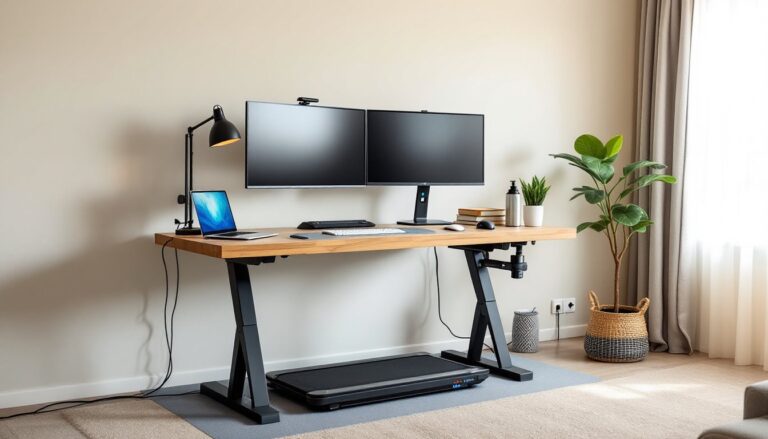
Setting up a functional home office means choosing furniture that performs under daily use while fitting the aesthetic of your living space. West Elm office chairs bridge the gap between residential design sensibilities and legitimate ergonomic support, a balance that’s harder to strike than it sounds. Unlike purely commercial task chairs or decorative accent seating, these pieces aim to deliver both comfort during long work sessions and visual appeal that doesn’t clash with your home’s decor. For homeowners building or refreshing a workspace in 2026, understanding what West Elm brings to the table helps ensure your investment holds up functionally and stylistically.
Table of Contents
ToggleKey Takeaways
- A West Elm office chair balances residential design aesthetics with functional ergonomic support, making it ideal for home offices that blend with living spaces.
- West Elm office chairs are priced between $300–$800 and offer 5–7 years of durability, positioning them as a practical middle ground between budget retailers and premium ergonomic brands.
- Most models include basic adjustability like pneumatic height adjustment, 360-degree swivel, and caster wheels, but lack advanced ergonomic features such as adjustable lumbar support or synchronized tilt.
- Match your West Elm office chair to your decor by coordinating frame finishes (brass, chrome, matte black) and upholstery colors with existing furniture and hardware in the room.
- Budget 20–40 minutes for assembly, perform monthly maintenance on caster wheels, and check all bolts quarterly to ensure long-term functionality and prevent squeaks or wobbling.
- Heavy daily use (10+ hours) or specific medical needs may require specialized ergonomic chairs from Herman Miller or Steelcase instead, despite aesthetic tradeoffs.
Why Choose a West Elm Office Chair for Your Home Office?
West Elm positions itself at the intersection of furniture-grade craftsmanship and workspace functionality. Their office chairs typically feature hardwood frames, metal bases with powder-coated finishes, and upholstery fabrics selected for residential durability rather than institutional-grade vinyl.
The primary advantage lies in design cohesion. If your home office shares space with a living area or guest room, a West Elm chair reads as intentional furniture rather than corporate surplus. Frames often incorporate mid-century or contemporary lines that complement existing West Elm desks, shelving, or case goods.
From a functional standpoint, most models include pneumatic height adjustment, 360-degree swivel, and caster wheels rated for both hardwood and carpet. Load capacities generally range from 250 to 300 pounds, which covers the majority of users but falls short of heavy-duty commercial ratings (some task chairs support 400+ pounds).
Be realistic about use intensity. These chairs suit typical home office schedules, four to eight hours daily with breaks. If you’re logging 10-hour shifts or have specific medical considerations (chronic back issues, recent surgery), a dedicated ergonomic chair from a specialist like Herman Miller or Steelcase may be the better call, even if it clashes aesthetically with your bookshelf.
Top West Elm Office Chair Models to Consider
West Elm rotates models seasonally, but several silhouettes remain consistent in their catalog. The Helvetica Leather Office Chair features a chrome five-star base, full-grain leather upholstery, and a streamlined profile that works in smaller spaces. Seat depth measures approximately 17 inches, which suits users 5’4″ to 6’0″ comfortably.
The Slope Upholstered Office Chair offers a wider seat (around 19 inches) with channel-tufted back support and performance velvet or linen options. It’s heavier, roughly 35 pounds unassembled, but the added weight translates to stability during movement.
For tighter budgets, the Saddle Office Chair pairs a molded plywood shell with a metal base and minimal padding. It’s best for short-duration tasks (email, light reading) rather than full workdays, as the thin cushion compresses noticeably after two hours.
As design trends shift toward multifunctional spaces, West Elm’s crossover pieces, like the Swivel Dining Chair with Casters, blur the line between dining and desk seating. These work if your “office” is a kitchen counter setup, though they typically lack lumbar support and height range.
Check current availability directly, as stock fluctuates. Some models appear only during seasonal releases or as part of collaboration collections.
Ergonomic Features and Comfort Considerations
Ergonomics in West Elm chairs tend toward basic adjustability rather than full-spectrum customization. Most models include:
• Pneumatic height adjustment: Seat height ranges typically span 17 to 21 inches from the floor, covering standard desk heights of 28 to 30 inches.
• Tilt mechanism: Many chairs offer tilt lock or tension adjustment, allowing slight recline. Few provide synchronized tilt (where seat and back move together), a feature common in higher-end task chairs.
• Armrests: When present, arms are usually fixed-height. Adjustable or pivoting arms remain rare across the lineup.
Lumbar support varies significantly by model. Chairs with upholstered backs may include subtle contouring or a built-in cushion at the lower curve, but don’t expect the articulated lumbar adjustments found in dedicated ergonomic seating. If lower back support is critical, test the chair in-store or plan to add a separate lumbar pillow.
Seat cushioning typically uses high-density foam over sinuous spring suspension or webbing. Initial firmness softens after the first few weeks of use, a break-in period similar to upholstered dining chairs. Performance fabrics resist staining better than cotton blends, but leather (genuine or faux) requires periodic conditioning to prevent cracking.
Caster wheels are standard nylon or polyurethane. For hardwood floors, verify the wheels are labeled “soft” or “non-marking.” Hard plastic casters can scuff finished wood or laminate. Replace them with aftermarket rollerblade-style wheels if noise or floor protection is a concern.
Design Aesthetics: Matching Your Office Chair to Your Home Decor
West Elm’s strength lies in aesthetic versatility. Frames come in finishes like antique brass, matte black, polished chrome, and walnut-stained wood, making it easier to coordinate with existing hardware (drawer pulls, light fixtures, curtain rods).
Upholstery options range from neutral linens and performance weaves to jewel-toned velvets and full-grain leather. When selecting fabric, consider the room’s natural light. Darker velvets (navy, emerald, charcoal) show dust and pet hair readily but photograph well for styled spaces. Lighter linens in oat or fog hide lint but can stain if you’re prone to coffee spills.
Proportion matters. A deep, wide executive chair overwhelms a compact desk or writing table. Measure your desk’s footprint and allow at least 24 inches of clearance behind the chair when pushed in, you need space to pull it out and sit down without bumping a wall or credenza.
Many furniture guides emphasize cohesion across adjacent rooms, especially in open-plan layouts. If your home office opens to a living area with mid-century modern furniture, a chair with tapered legs and clean lines maintains visual flow. Conversely, pairing a heavily tufted velvet chair with industrial pipe shelving creates stylistic friction.
Hardware finishes should align within the same room. Mixing metals (brass chair base, chrome desk lamp, black shelf brackets) can work if done intentionally, but three different finishes is typically the ceiling before a space feels chaotic.
Assembly, Maintenance, and Care Tips
West Elm office chairs ship partially assembled. Expect to attach the seat to the base, install the gas lift cylinder, and secure armrests (if applicable). You’ll need a Phillips-head screwdriver and possibly an Allen wrench (usually included). Budget 20 to 40 minutes for assembly, depending on model complexity.
Safety note: Wear safety glasses when installing gas lift cylinders. Though rare, defective cylinders can release compressed air suddenly. Ensure all bolts are tightened to hand-firm, overtightening can strip threads in wood or crack plastic housings.
Before attaching components, verify all hardware is present. West Elm’s customer service can mail replacement parts, but waiting delays setup by a week or more.
Maintenance checklist:
• Weekly: Vacuum upholstery with a brush attachment to remove dust and prevent fabric matting. Wipe metal or wood components with a damp microfiber cloth.
• Monthly: Check caster wheels for hair or carpet fibers wrapped around axles. Remove buildup with needle-nose pliers or a utility knife (avoid cutting into the wheel itself).
• Quarterly: Tighten all bolts and screws. Normal use loosens hardware over time, leading to wobble or squeaks.
• Annually: Condition leather upholstery with a pH-neutral cleaner and conditioner. For fabric, spot-treat stains with upholstery cleaner, testing in an inconspicuous area first.
If the pneumatic lift loses pressure (chair sinks slowly when occupied), replacement cylinders are available through third-party suppliers. Match the diameter, most West Elm chairs use a standard 2-inch cylinder, but verify before ordering.
Caster wheels are also replaceable. Measure the stem diameter (typically 7/16 inch or 11mm) and stem length before purchasing aftermarket wheels. Rollerblade-style wheels reduce noise on hard floors and roll more smoothly than standard nylon.
Budget and Value: What to Expect When Investing in West Elm
West Elm office chairs typically range from $300 to $800, positioning them above big-box retailers like IKEA or Staples but below premium ergonomic brands. Prices vary by upholstery grade, performance fabrics and leather command higher price points than standard weaves.
Compare this to alternatives:
• Budget option ($100–$200): Basic task chairs from office supply retailers. Limited aesthetic appeal, minimal adjustability, shorter lifespan (2–3 years).
• Mid-range ($300–$600): West Elm, Crate & Barrel, Article. Better materials, residential styling, moderate ergonomics.
• Premium ($800–$1,500+): Herman Miller Aeron, Steelcase Leap, Humanscale Freedom. Extensive adjustability, 10+ year warranties, clinical ergonomics.
Value depends on priorities. If your home office doubles as a visible space for video calls or guests, West Elm’s design premium pays off. The chair contributes to the room’s overall look rather than detracting from it, an important consideration when upscale home decor trends emphasize curated, cohesive interiors.
Durability is good but not exceptional. Expect 5 to 7 years of regular use before upholstery shows significant wear or mechanisms degrade. That’s respectable for residential furniture but shorter than commercial-grade chairs engineered for 24/7 shift work.
Watch for sales during West Elm’s semi-annual events (typically January and July) and holiday weekends. Discounts of 20 to 30 percent are common, and floor models may be available at steeper markdowns, inspect carefully for stains or loose hardware.
Factor in delivery costs. West Elm offers white-glove service (delivery to room of choice, assembly included) for an additional fee, usually $99 to $149. Standard shipping is cheaper but deposits the box at your doorstep, manageable for most DIYers but worth considering if you’re working alone or lack tools.
Conclusion
A West Elm office chair makes sense when home aesthetics and workspace function need to coexist. The chairs deliver reliable ergonomic basics, adjustable height, swivel, tilt, wrapped in residential design that fits living spaces without looking out of place. They’re not built for extreme durability or intensive all-day use, but for typical home office schedules and mixed-use spaces, they strike a practical middle ground. Prioritize in-store testing when possible, and don’t skip the maintenance routine if longevity matters to your budget.